 Send to your email


 Restaurant facilities Restaurant facilities |  Swimming pool Swimming pool |  Pets allowed Pets allowed |  Local products Local products |  Production and tasting Production and tasting |  Credit Cards Credit Cards |  Playground Playground |  Cycle tourism Cycle tourism |  Trekking Trekking |  Golf Golf |
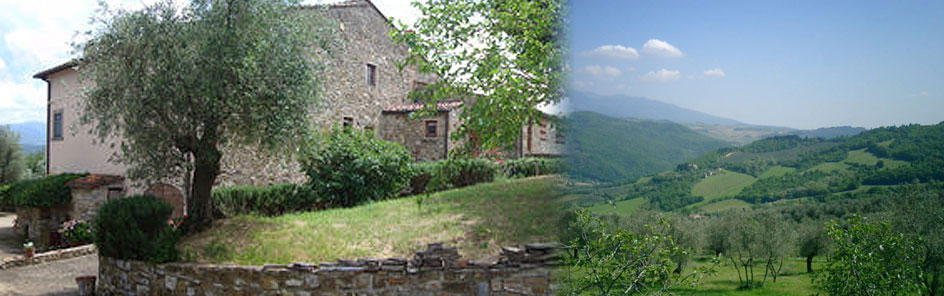
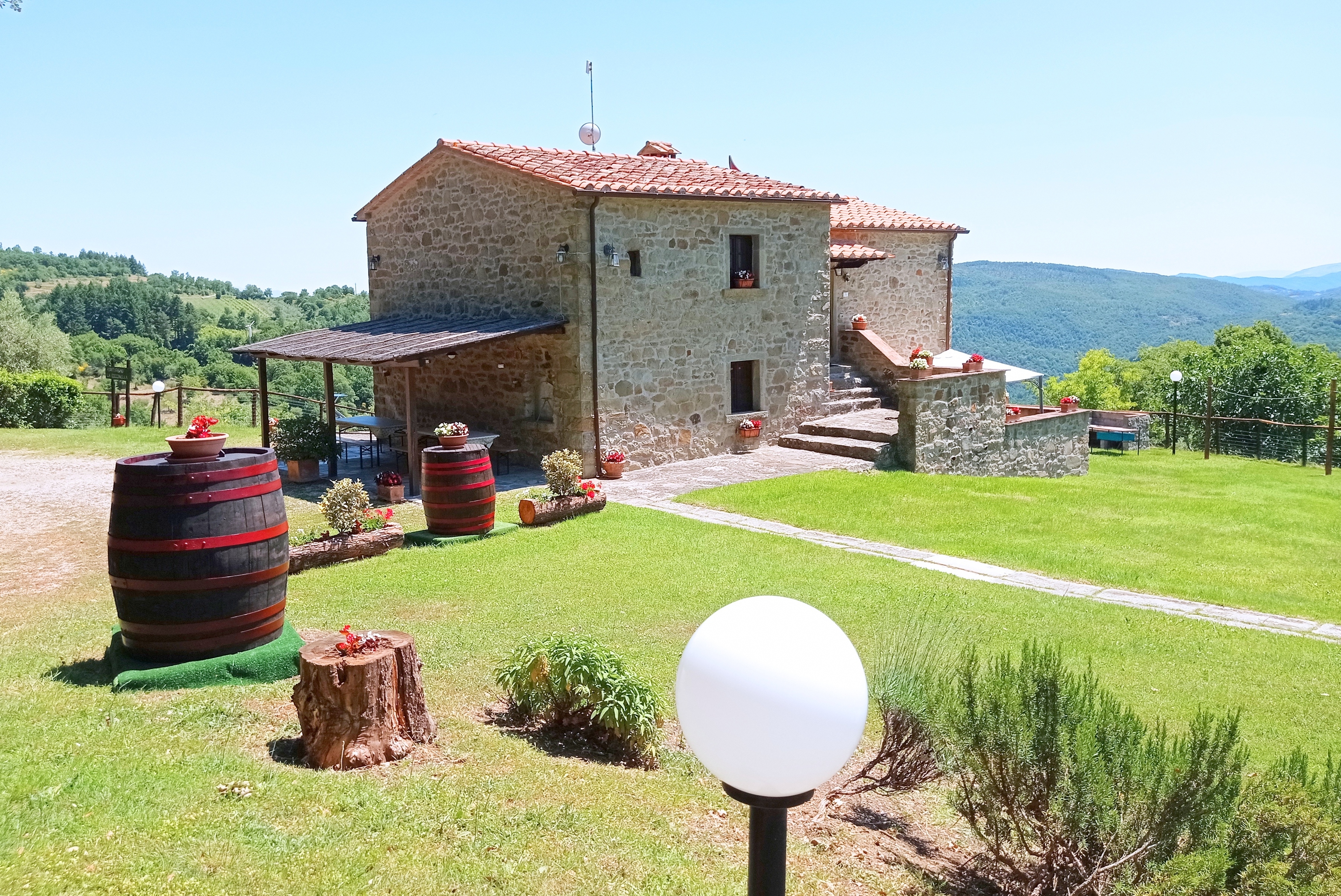
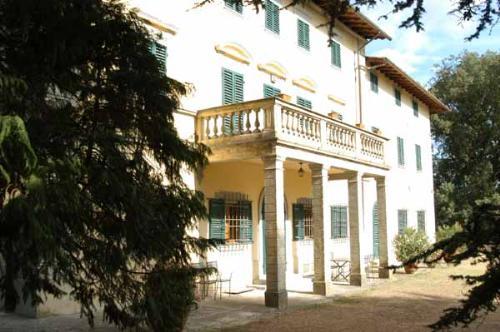
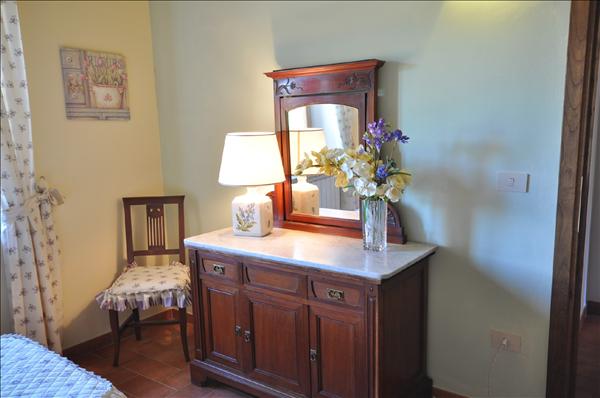
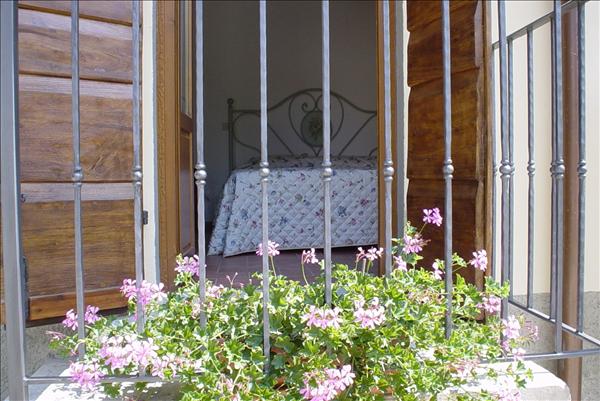
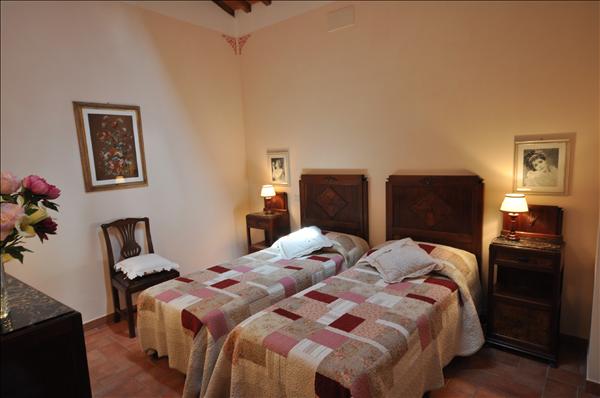
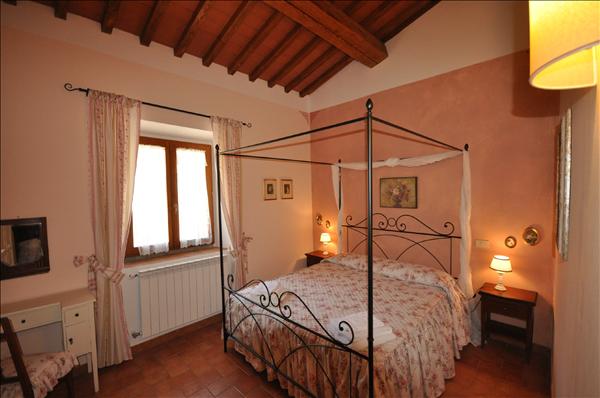
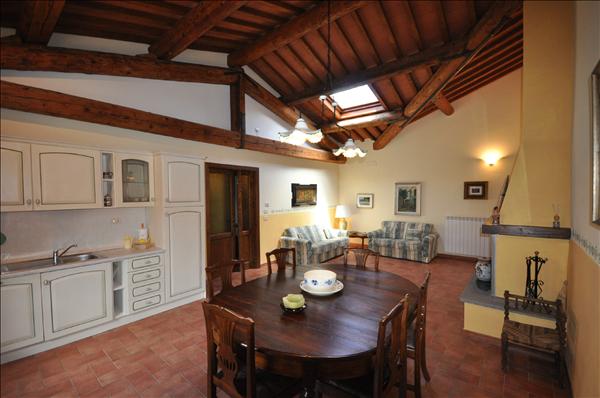
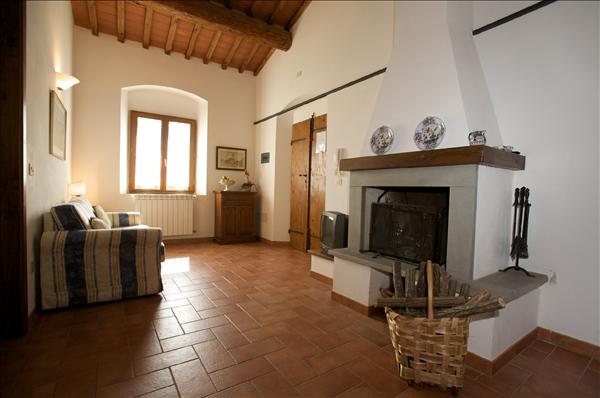
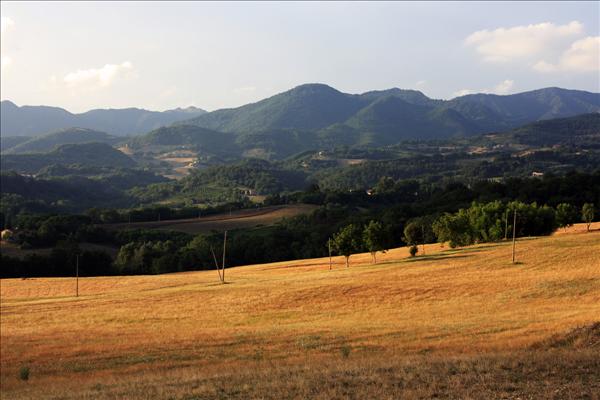
The Fattoria I Ricci Agriturismo, an ancient 17th century estate situated on the lush Tuscan hills set against the backdrop of the spectacular Apennines, offers its guests the opportunity to relax in a thoroughly natural environment and not only provides the perfect place to spend a relaxing holiday in a totally natural environment but offers it guests comfort and quality.
The Agriturismo is a mere 35 kilometres from Florence and easily reached by way of quaint country roads or the fascinating age old railway line. Departing from the Fattoria I Ricci it is easy to reach Siena (110 km), Pisa (130 km) and Lucca (110 km).
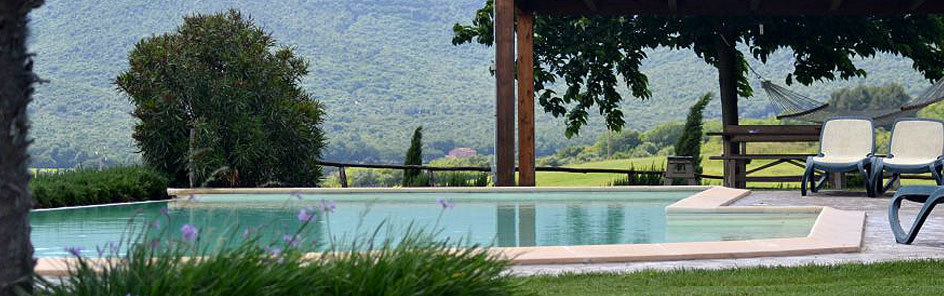
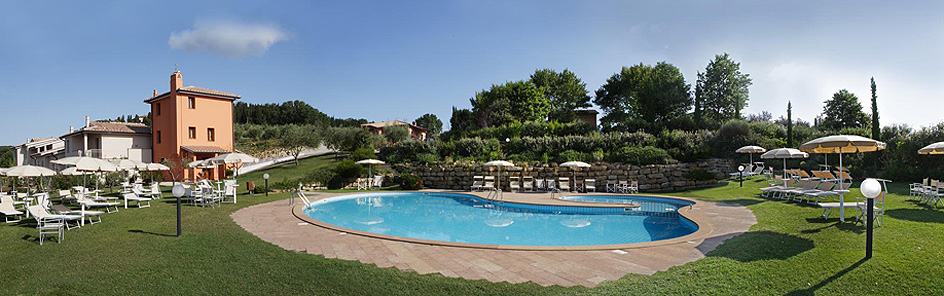
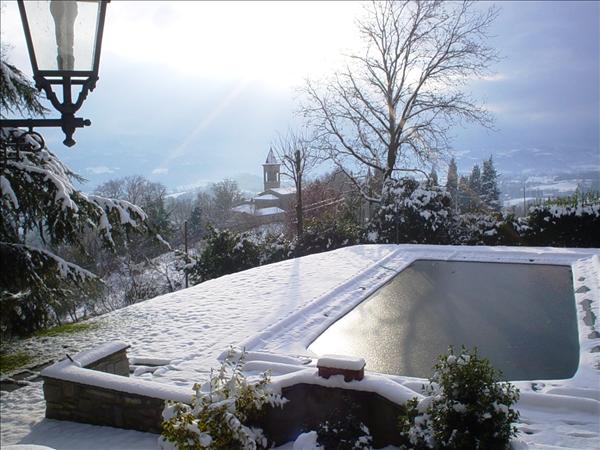
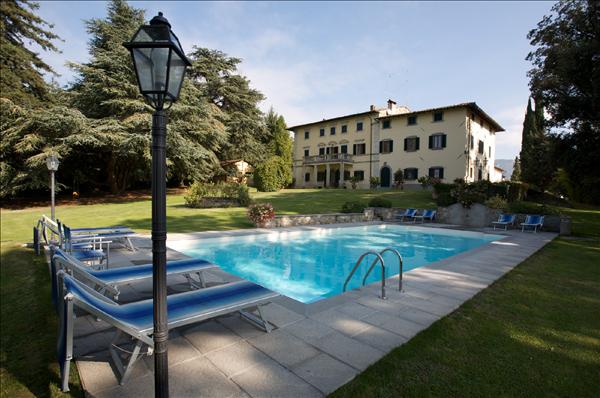
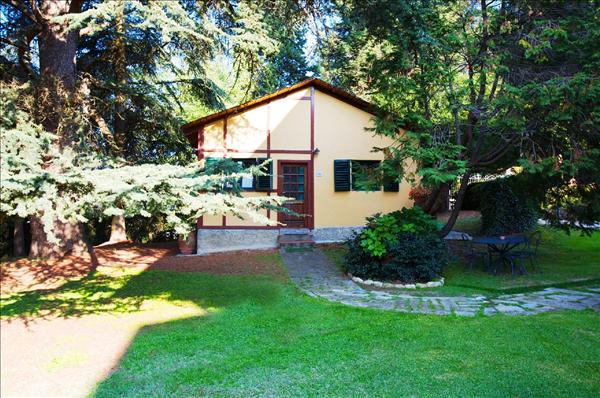
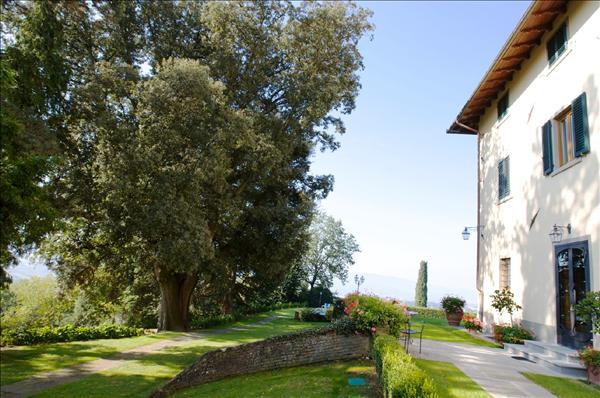
The Agriturismo is surrounded by a luxuriant park of age-old trees, which includes rare exemplars, in the middle of which we find a swimming pool with a breathtaking view of the valley below.
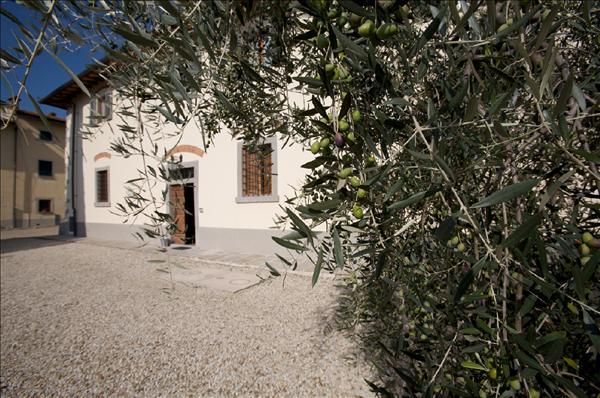
Olive groves and vineyards surround the estate and provide the extra-virgin olive oil and wine used to make meals in the Agriturismo tastier.
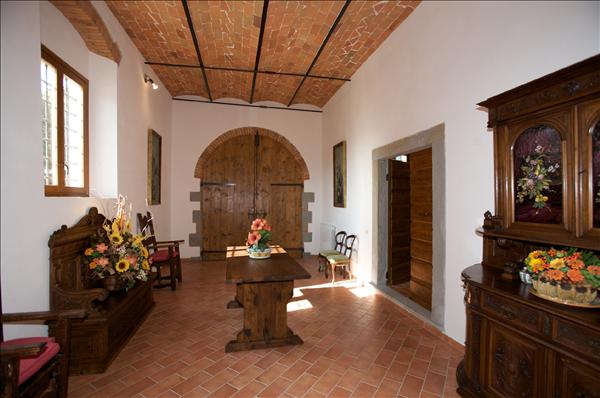
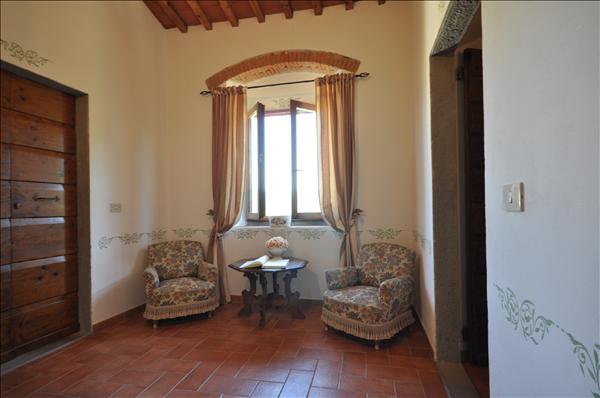
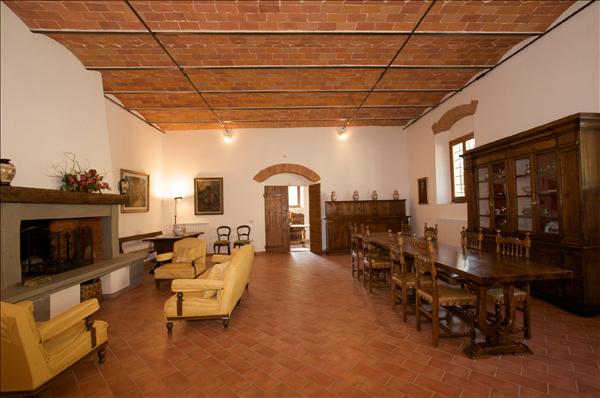
The accurate renovation of the ground floor of the Fattoria has equipped the structure with two huge Sale furnished with fine Tuscan period pieces. These halls are available upon request for special events.

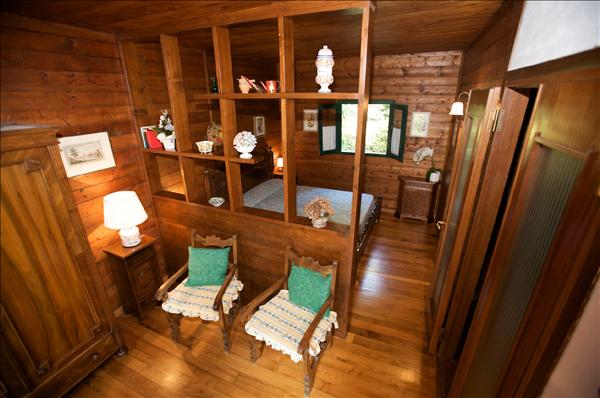
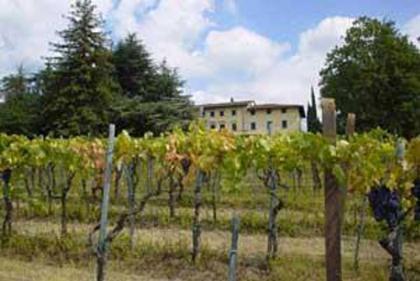
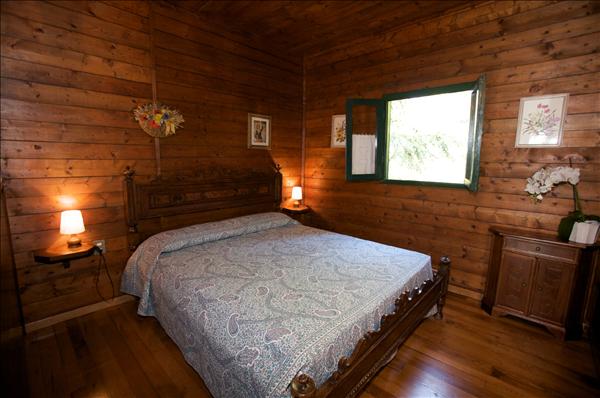
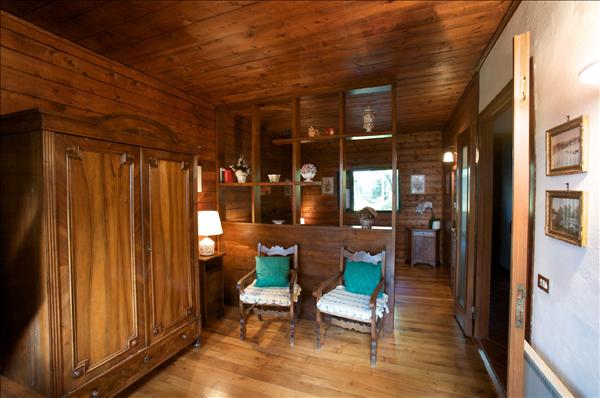
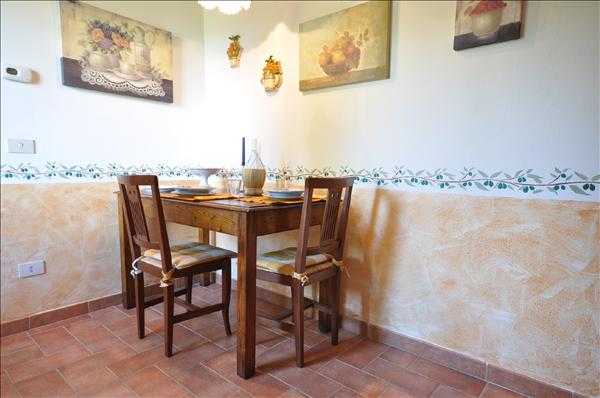
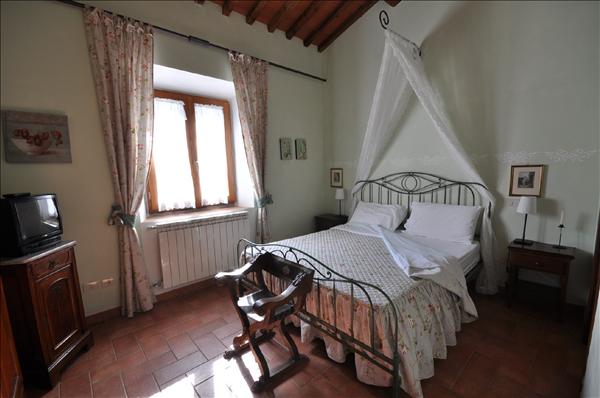
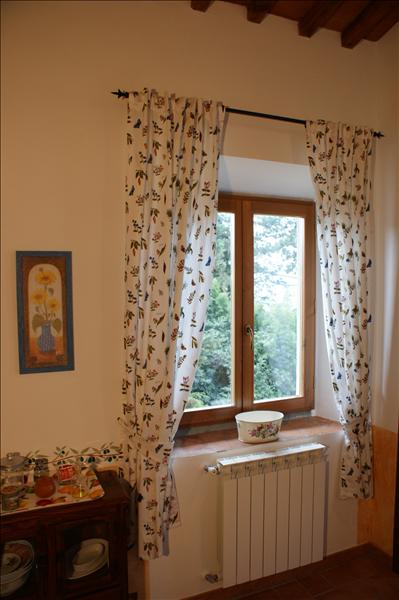
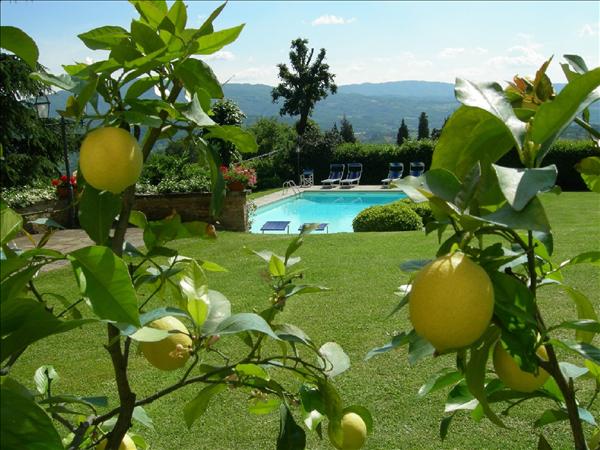
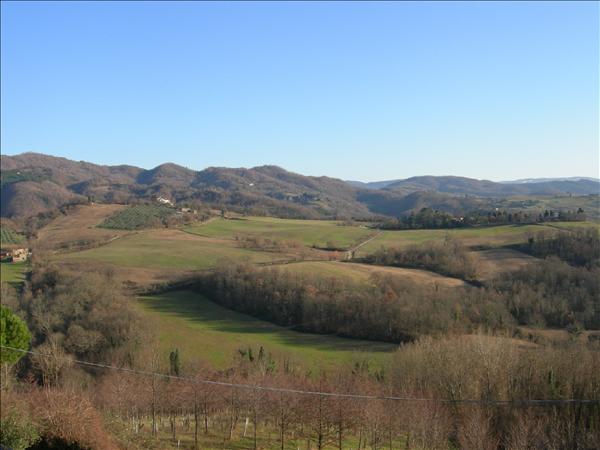
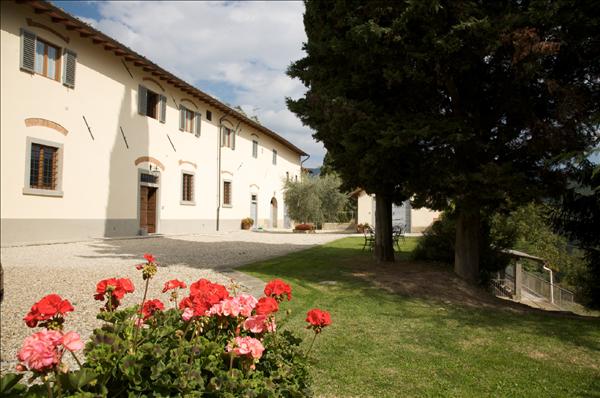
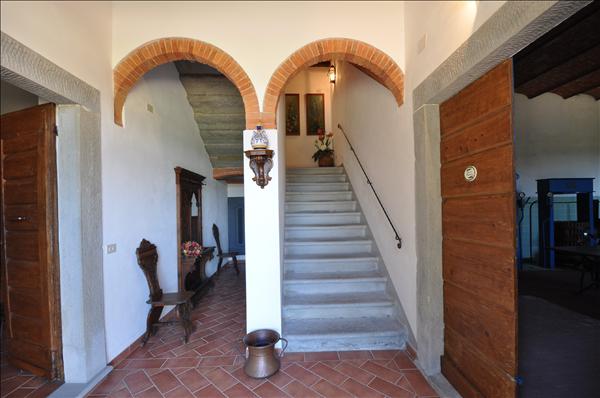
The Fattoria I Ricci Agriturismo would be glad to welcome you and help you organize your stay in Mugello without giving up comfort, quality and wholesomeness.
It also offers its guests:
- Swimming pool with its wonderful view of the valley,
- Park with age old Cedars of Lebanon, Sequoias and an enormous century old Holm oak,
- Outdoor lunch and dinner iron tables and chairs adorn the park,
- Barbequing is also an alternative,
- Private indoor parking,
- Laundry room,
- Advice and booking of restaurants with typical Mugello cuisine, pizza and shopping
- Ping-pong table,
- Mountain Bike,
- Meeting halls,
- Playground for children.
Close to the Fattoria I Ricci Agriturismo:
- Horse riding,
- Golf,
- Mugello Circuit,
- Bilancino Lake, (Wind surfing, sailing, canoeing)
- Archery,
- Tennis,
- Mini golf,
- Shooting gallery.
The municipal territory of Vicchio extends for 138,89 square kilometres between hills and mountains in Val di Sieve in central Mugello. Medieval Podesta Office it reached its present day territorial aspect in 1983 when the districts of Celle and Villa were detached from it and aggregated to the municipality of Dicomano. The building of the castle walls at Vicchio according to the official origin goes back to 1324. It was constructed on the will of the Fiorentina republic, who on those hills and mountains had for almost half a century battled against the antique Lords of the territory the Guidi Counts, by walling a small group of houses raised up in the preceding years by the hands of those who had abandoned the run down castles and the feudal courts of Ampinana, Gattaia, Filiccione and Montesassi. The population of the new land augmented in the course of the XIV century with the definitive submission of Count Guido da Battifolle, and acquired importance after they had received from Firenze in 1477 the concession of being able to hold a weekly market. In 1529 the castle posed an epic resistance to the troops of Filibeto d'Orange and of Pope Clement VII, who in spite of the major quantity of means had to wait more than four months and suffer in the meantime numerous defeatds before the captain who defended it Filippo Parenti thought it necessary to retreat to Marradi. Gravely damaged in an earthquake in 1798 another ruinous one suffered again in 1919. The tradition has it that in the neighbourhood of Vespignano Giotto was born (1267?-1337); and the Blessed Angelico (1395-1455) also came from Vicchio. During the second world war it was badly damaged and the nazi troops effected scourges and bloodshed in 1944.
Places to visit:
The most important event of this kind is the ancient Fiera Calda in Vicchio, which takes place in the last week of August or the first of September. Initially a cattle and horse market, it is now a combination of commercial fair, bric-à-brac and art exhibition, horse show and other events. The Vicchio coats of arms is a natural colour pine with three golden pine cones within the foliage and two gold stars with eight rays at the right and the left. The pine remembers the fortress of Ampinana, the stars are the two districts of Rostolena and Botena.




 EN
EN IT
IT DE
DE FR
FR ES
ES